
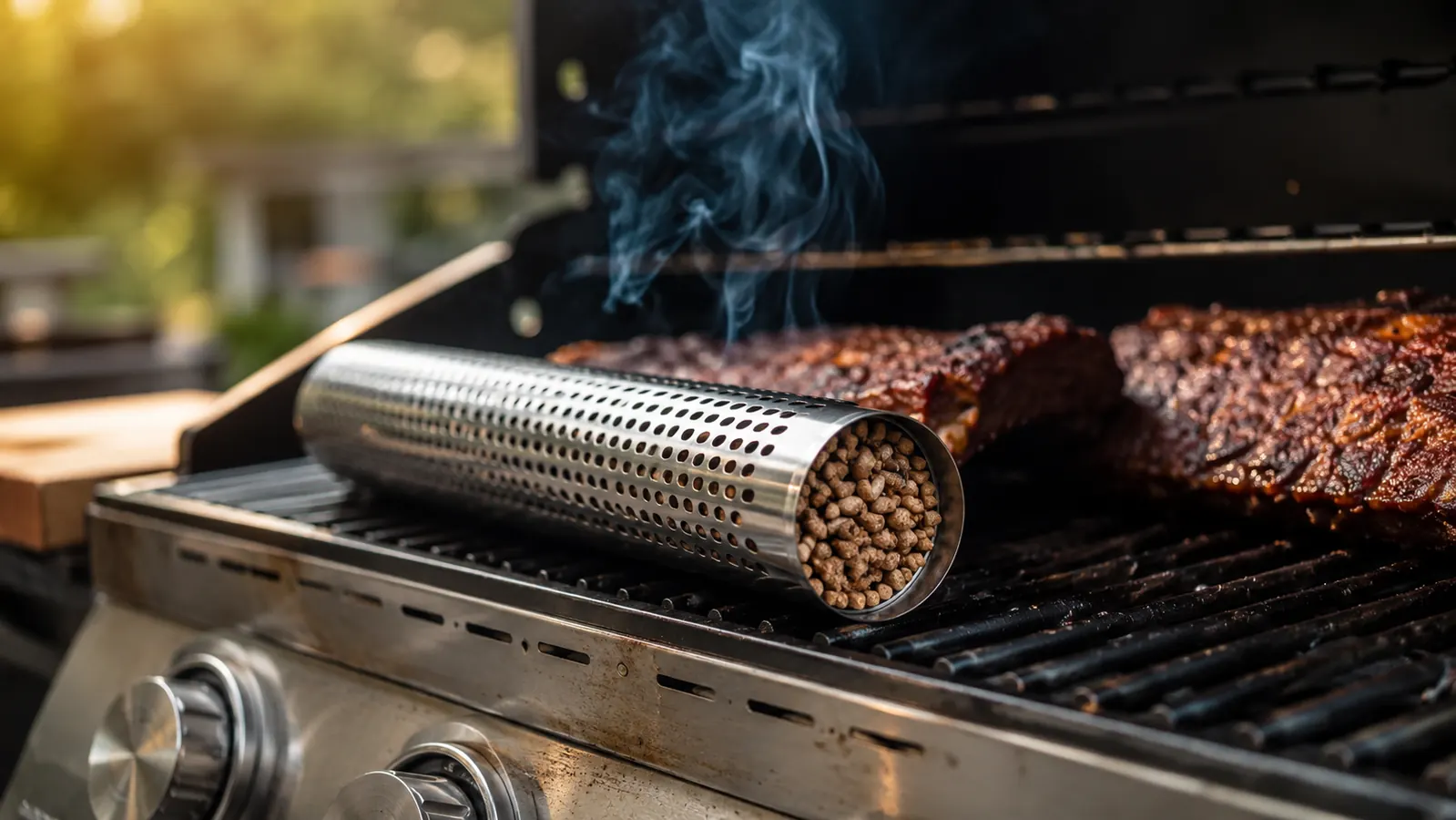
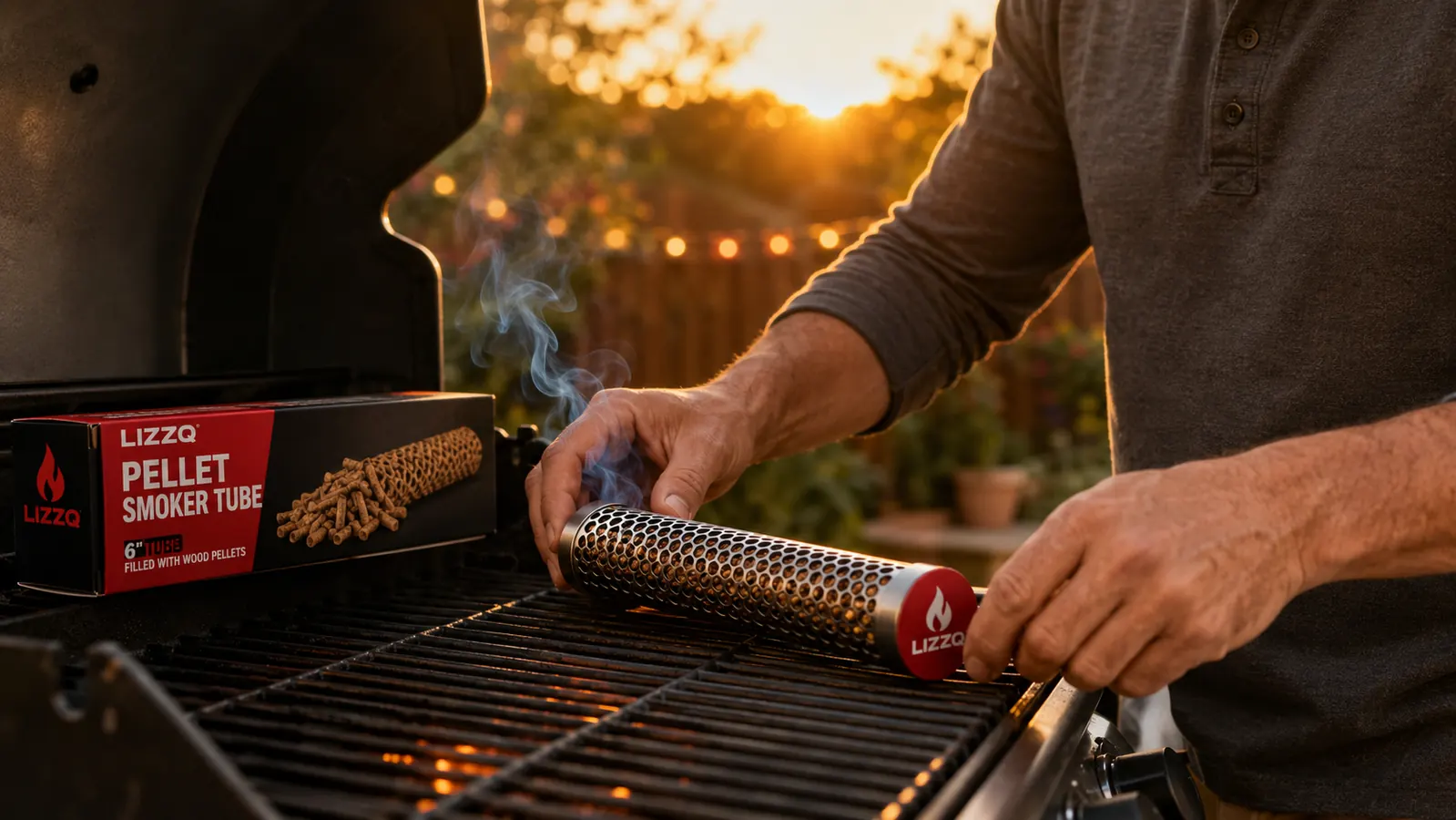
For most of my adult life, I told myself a gas grill was a compromise. You get it out of the garage fast, heat it up in ten minutes, and cook a decent burger. But real smoke flavor? That belonged to charcoal rigs, offset smokers, and pits with a whole story behind them. My Weber Genesis sat on the back patio and I cooked on it five nights a week, quietly ashamed every time a neighbor floated by a plume of proper hickory smoke from two houses down. Then, about eighteen months ago, I dropped under fifteen bucks on a small stainless steel tube filled with holes, and the whole equation changed. The LIZZQ Premium Pellet Smoker Tube, 12 inches long, costs about the same as a bag of charcoal and has since logged more smoke hours on my gas grill than anything else in my accessory drawer.
This is my long-term review. Not a first-cook impression. I have used this tube through a Memphis summer that hit 102 degrees, through a rainy October pork shoulder session that ran six and a half hours, and through enough weeknight chicken thigh smokes that my kids now ask whether we are doing smoke or no smoke like it is a normal binary choice. There are things it does genuinely well and one or two things that took me a few sessions to figure out. Here is all of it.
The Quick Verdict
The best fourteen dollars I have spent on BBQ gear in years. Fills a gas grill with steady, real wood smoke for four to five hours and takes about sixty seconds to set up. Not perfect on gusty days, but close enough to earn a permanent spot in my kit.
Amazon Check Today's Price →Still babysitting a smoker box that burns out in forty-five minutes? This tube runs four to five hours on one fill.
The LIZZQ 12-inch pellet smoker tube works on any gas grill, charcoal grill, or smoker. Check the current price on Amazon before your next cookout.
Amazon Check Today's Price on Amazon →How I Have Used It Over 18 Months
My setup is a three-burner Weber Genesis on a covered patio. I run the LIZZQ tube on the left side of the grill, burner off on that side, two-zone indirect style. I light the pellets with a small kitchen torch held at the open end for about thirty to forty-five seconds until they catch and I see a good flame running along the top. Then I blow it out, let the tube smolder, close the lid, and turn the right-side burner to medium to hold around 250 to 275 degrees. That is it. The smoke rolls in about two minutes after the lid goes down.
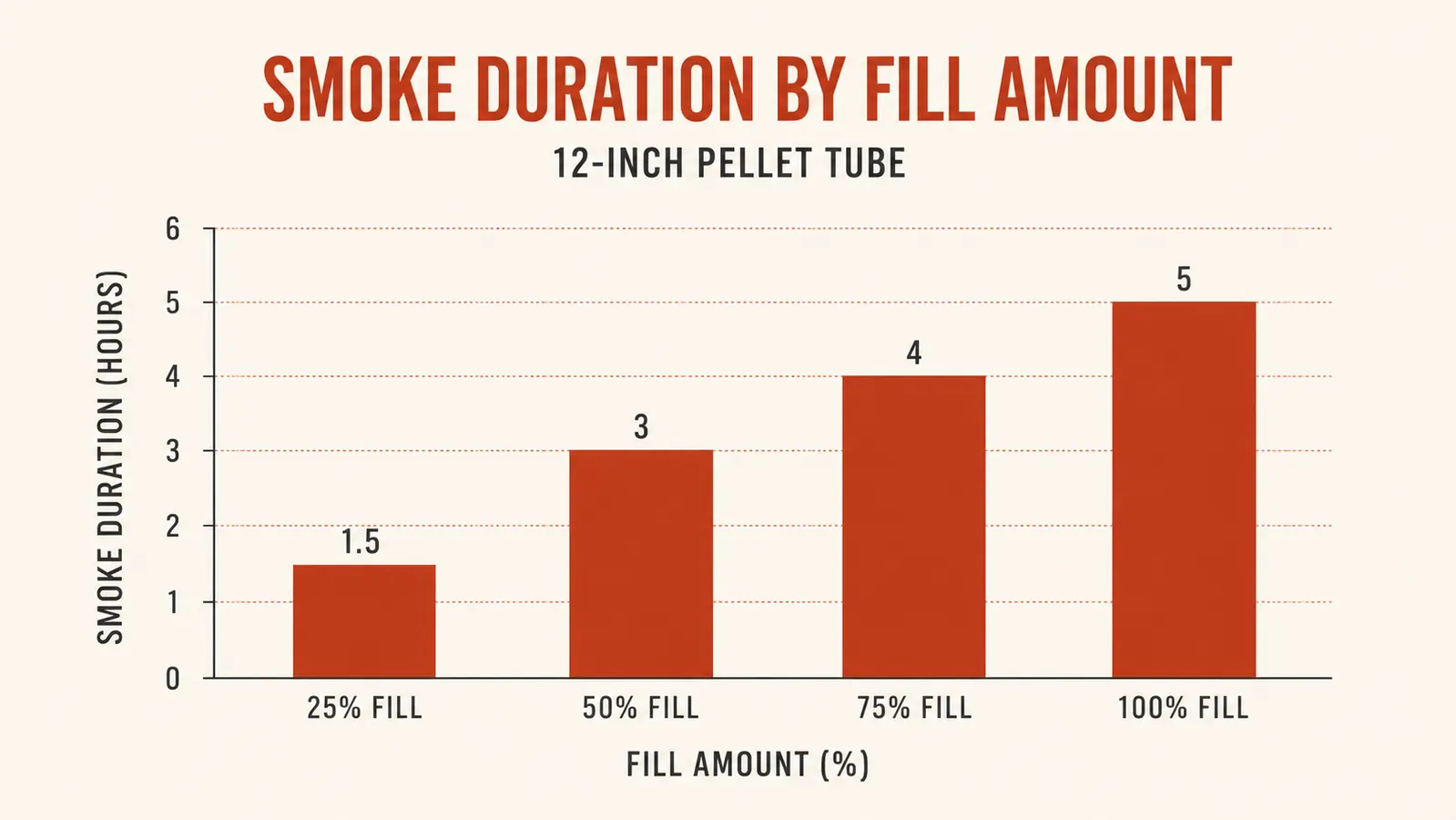
In eighteen months I have run the LIZZQ tube on whole chickens, split pork shoulders ranging from six to eight pounds, racks of baby back ribs, salmon fillets, chicken wings, and a few experimental brisket flats that turned out a lot better than they had any business being on a gas grill. The smoke output on the first load is dense and white for about the first ninety minutes, then it settles into a thin blue smoke that actually produces better color on the meat. Total burn time on a full tube of premium pellets runs four to four and a half hours consistently in my experience, which tracks with the product claim of five hours under ideal conditions.
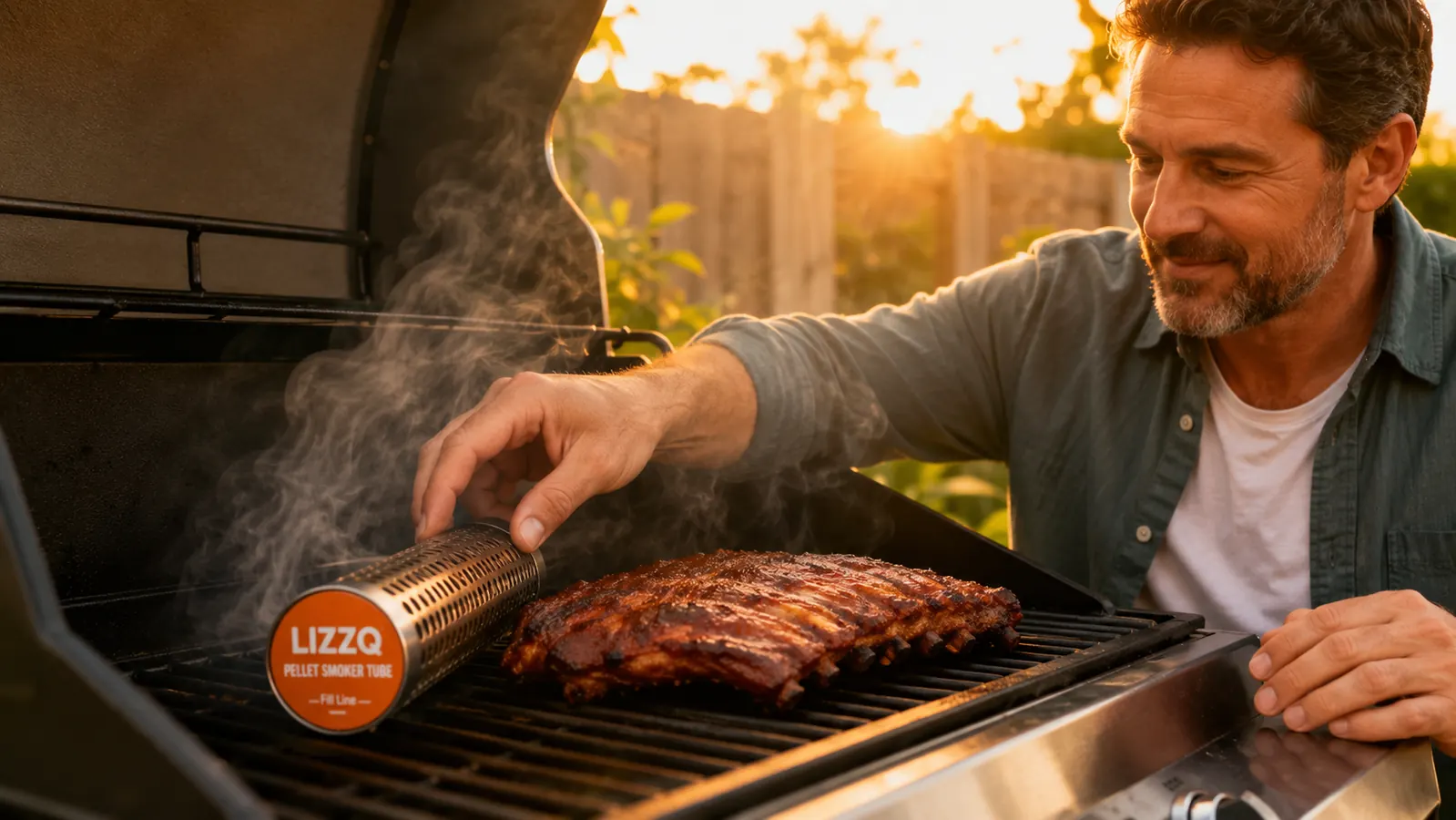
I started with hickory because that is what Memphis BBQ runs on and I was not about to betray my hometown. After a few months I started rotating through apple, cherry, and pecan. Apple on chicken and pork ribs made a noticeable difference in the color and sweetness of the bark. Cherry on salmon was genuinely remarkable. Pecan has become my go-to for pork shoulder when I want something richer than hickory but not as intense. The tube handles all pellet brands I have tried without any issues, including the generic bags from the local hardware store and the premium single-species stuff from specialty BBQ shops.
Smoke Output: What the Numbers Actually Look Like
The biggest selling point on the box is five hours of smoke. In real backyard conditions, I consistently hit four to four and a half hours on a full twelve-inch tube filled with standard wood pellets. On a still evening with the lid shut tight that number climbs closer to five. On a windy afternoon where the lid does not seal perfectly, I have seen it drop to three and a half. Wind is the variable that matters most, not the tube itself.
For comparison, the cast iron smoker box I used before the LIZZQ gave me about sixty to ninety minutes on a full load of wood chips. That meant opening the grill during a long cook to refill, which tanks your temperature and adds time to the cook. The tube eliminates that entirely for anything under five hours. For a pork shoulder or brisket flat running longer than that, I will reload the tube once rather than babysitting a chip box three times. That single-reload approach is something I detail more in my guide on how to add real smoke flavor with a pellet tube if you want the full method.
Build Quality After 18 Months of Heat
I want to be direct here because this is usually where cheap BBQ accessories fall apart. The LIZZQ is made from 304 stainless steel with a hexagonal cross-section and perforations running the length of the tube. After eighteen months of high-heat use, mine has developed a golden-brown heat patina on the exterior and the end caps have a few spots of deeper discoloration. There is zero warping, zero corrosion, and the perforations are all fully open. I have knocked it off the grate twice and it bent not at all.
Cleaning is simple. After each cook I let it cool completely, then tap the remaining ash out into the trash. Occasionally I run a stiff bottle brush through the inside and hit it with dish soap. It has never required any soaking or heavy scrubbing. The hexagonal shape also means it sits flat on the grate without rolling, which sounds like a minor thing until you remember that round tubes roll directly onto your burner cover and go out.
One real-world note: the end caps are press-fit, not threaded. They come off easily for filling and cleaning, which is a feature, not a flaw. But if you are too aggressive shaking ash out, one cap can ping off and land in the grill. I did this once and spent five minutes hunting it with tongs before I found it. It was fine. Just something to know.
What I Got Wrong at First and How I Fixed It
My first three sessions with the LIZZQ were disappointing, and the fault was entirely mine. I was lighting the pellets with a lighter and getting only about a minute of direct flame before blowing it out. That was not enough to fully ignite the column of pellets inside. The fix is a kitchen torch held at the open end for thirty to forty-five seconds until you see real flames running back about two inches into the tube. Once I made that adjustment, the tube reliably smoldered for the full session.
A cheap kitchen torch changed everything. Light it properly for forty-five seconds and this little tube will smoke for four and a half hours without you touching it again.
The second mistake was overfilling. I was packing pellets in tight, thinking more pellets equals more smoke equals better. It does not. Tightly packed pellets restrict airflow through the tube, which chokes the burn. A loose fill to about three-quarters of the tube length gives the smolder the air it needs. The smoke is actually cleaner and less acrid with a looser fill.
Third issue: positioning. I was placing the tube directly under the meat on the hot grate. That worked fine for short cooks but on long cooks the tube was sitting in a pool of drippings that extinguished it after about two hours. The fix is to elevate the tube on the far side of the grill away from direct drip paths, or rest it on top of the grate at the end of the grill farthest from the food zone. Once I moved it out of the drip zone, I never had an early extinction problem again.
Pellet Wood Type and Flavor Results
Over eighteen months I have run a lot of different pellets through this tube and the flavor differences are real and consistent. Hickory gives a sharp, assertive smoke that pairs well with pork ribs and beef. It can overpower chicken if the cook runs long, so for wings and whole birds I pulled back to apple or cherry after the first hour. Apple is gentler and gives a slightly sweet finish that works on nearly everything. Cherry wood produces the deepest red-mahogany color on chicken skin I have ever gotten on a gas grill, which honestly surprised me. Pecan is the one I reach for most now on long pork cooks because it is rich but not punishing.
One thing worth noting: the LIZZQ does not care about pellet brand, but pellet quality matters for burn consistency. Budget pellets with a lot of filler wood or poor compression tend to produce white, acrid smoke and burn faster. Premium all-natural single-species pellets produce a cleaner thin blue smoke that delivers flavor without bitterness. The tube is not the bottleneck. The pellets are.
How It Compares to a Traditional Smoker Box
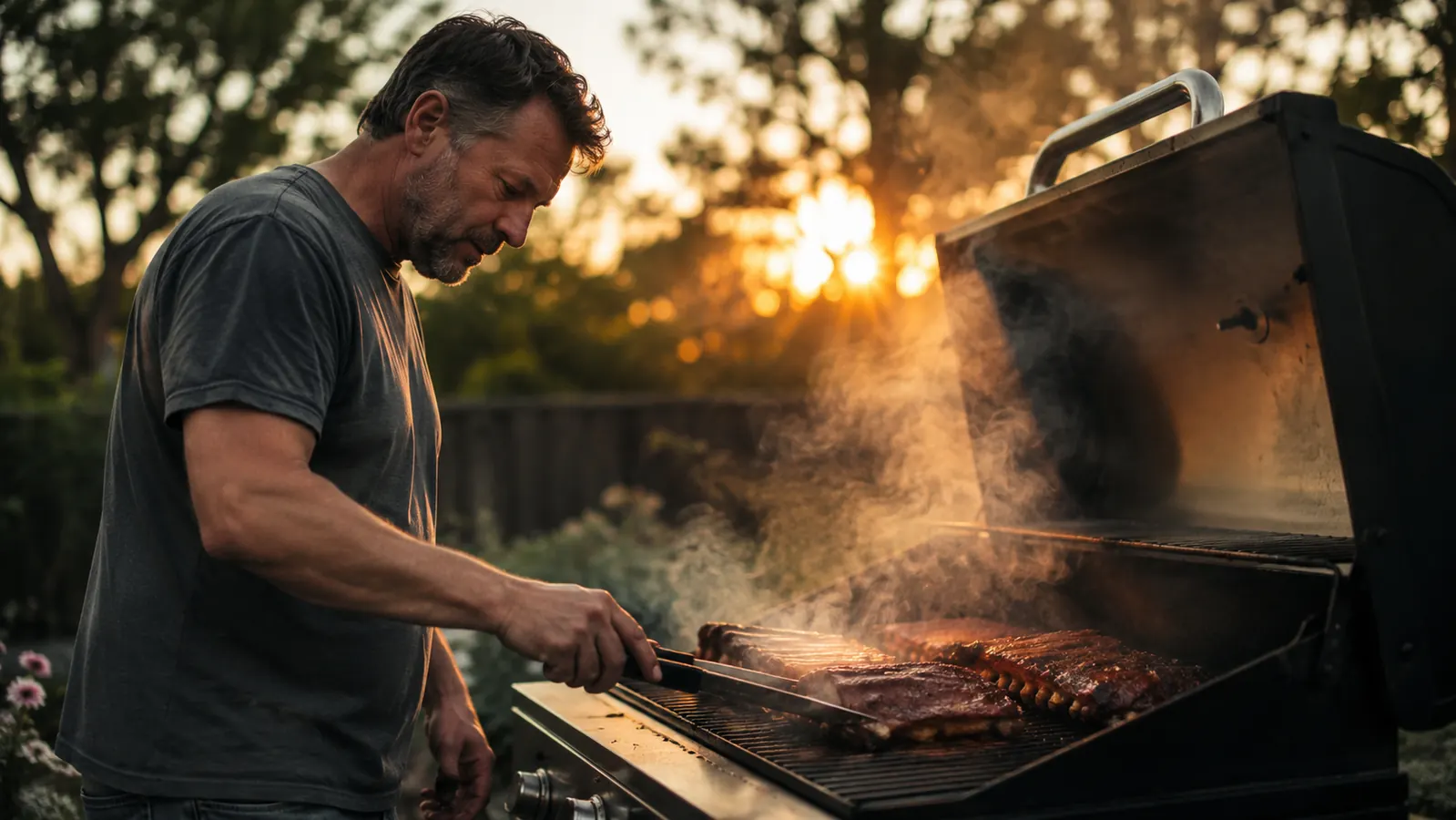
I ran a cast iron smoker box for about four years before switching to the LIZZQ tube and I want to give the smoker box a fair hearing before I explain why I stopped using it. The smoker box produces a big, bold initial smoke burst from wood chips that is genuinely excellent for short cooks under ninety minutes. Steaks, burgers, sausages, quick-smoked salmon, and vegetables all do well with that intense initial hit. If your cook runs under an hour, the smoker box is not wrong.
Where the tube wins decisively is duration and convenience on longer cooks. A full load of chips in a smoker box burns to ash in sixty to ninety minutes. A full tube of pellets in the LIZZQ runs four-plus hours. For ribs, pork shoulder, or a whole chicken at low and slow temperatures, that difference is the whole game. I go deeper on the head-to-head on the pellet smoker tube versus smoker box comparison page if you want the full breakdown by cook type.
What I Liked
- Four to five hours of steady smoke on a single fill of pellets, no babysitting
- Hexagonal shape sits flat on any grill grate without rolling
- 304 stainless steel held up perfectly over 18 months of high-heat use
- Works on gas grills, charcoal grills, kettle grills, and pellet grills
- Compatible with any brand of wood pellets
- Quick cleanup: tap out ash, brush, rinse
- Costs about the same as a bag of wood chips
Where It Falls Short
- Requires a kitchen torch for a reliable light; a standard lighter is not enough
- Smoke duration drops on windy days when the grill lid does not seal tight
- Press-fit end caps can pop off if you shake the tube too aggressively
- No smoke flavor differentiation on very short cooks under 20 minutes; tube barely gets going
Who This Is For
The LIZZQ pellet smoker tube is made for the person who already owns a gas grill and wants to add real smoke flavor without buying a whole new rig. If you are cooking on a three-burner propane grill and feel like the food tastes exactly like it came out of an oven, this tube is a direct fix for that problem. It also works great for anyone who runs a charcoal kettle but wants smoke that lasts longer than one chimney load of coals. I know several people who use it on pellet grills as a supplement when their unit is running low on smoke at higher temps. At current price, it is one of the easiest recommendations I make to any backyard cook at any level.
Who Should Skip It
If you are a competition pitmaster or someone who already runs a dedicated offset smoker or a full-size stick burner, this tube is not for you. You already have a real smoke production system. The LIZZQ is an accessory that bridges the gap between a gas grill and a real smoker. It closes that gap impressively well, but it does not replace the experience or the fine-grained control of a dedicated smoker for serious long cooks. It is also not the right tool if you exclusively grill steaks and burgers at high heat with the lid up. At 500-plus degrees with the lid open, the tube goes out fast and adds nothing. This is a low-and-slow, lid-closed accessory.
Ready to stop grilling food that tastes like it has no story? The LIZZQ tube is the fastest way to fix a gas grill.
Nearly 15,000 reviewers on Amazon give it a 4.7. After 18 months of weekend cooks, I agree. Check today's price and pick one up before your next weekend session.
Amazon Check Today's Price on Amazon →